

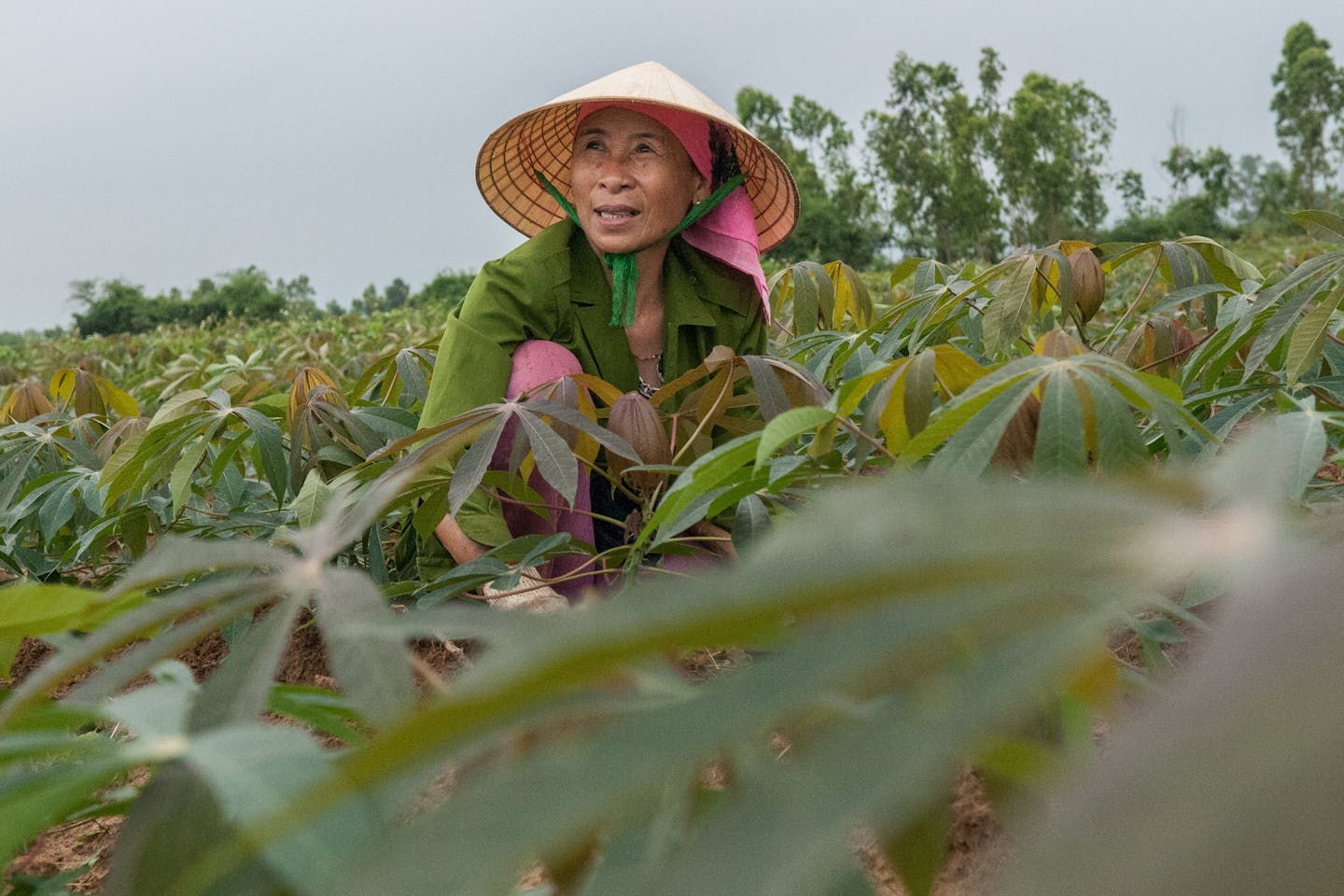
As the world looks for eco-friendly solutions in the food industry, cassava flour emerges as more than just a gluten-free alternative. Its production plays an important role in sustainable agriculture and rural economic growth.
1. A Resilient Crop
Cassava can thrive in challenging environments where other crops struggle. It requires less fertilizer and can withstand dry conditions, making it an environmentally sustainable choice.
2. Reducing Food Waste
Cassava roots are transformed into flour that has a longer shelf life. This process helps reduce food waste while ensuring that farmers maximize the value of their harvest.
3. Empowering Local Farmers
By promoting cassava flour, local farmers in Indonesia and other tropical regions gain access to wider markets. This not only increases their income but also strengthens rural economies.
4. Supporting Global Food Security
As a versatile and affordable ingredient, cassava flour helps provide alternative food sources for growing populations. It’s a staple that supports global food security while reducing reliance on wheat.
5. Eco-Friendly Production
Cassava cultivation has a smaller carbon footprint compared to many grains. With proper farming practices, it contributes to greener, more sustainable agriculture.
Conclusion
Cassava flour is more than just a gluten-free product—it represents sustainability, food security, and economic empowerment. At Cassava Naturals, we are proud to support eco-friendly farming while delivering premium cassava flour to global markets.


