

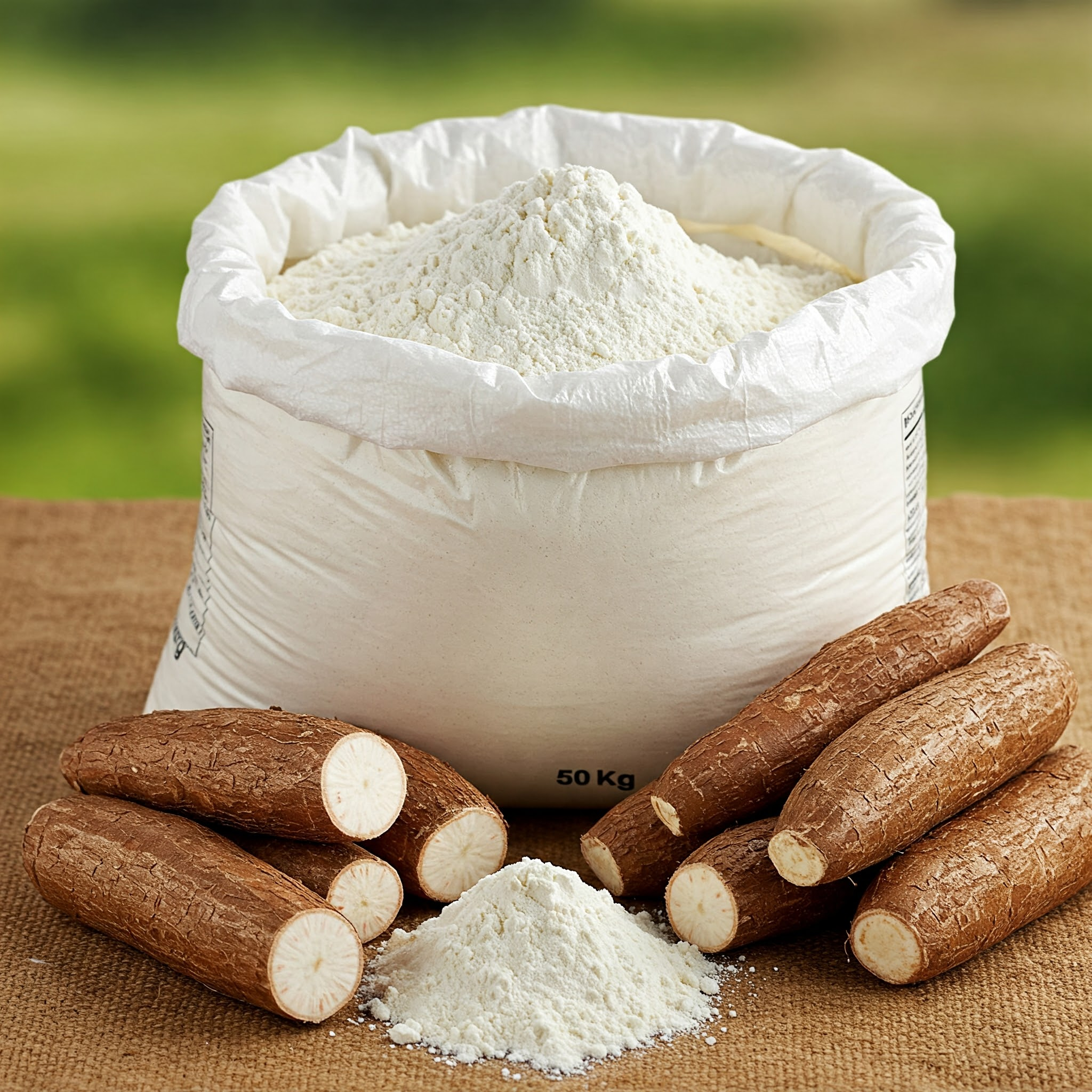
The demand for sustainable and environmentally friendly food continues to rise, and cassava flour is quickly gaining recognition as one of the best answers to this global challenge. From its cultivation to its impact on food security, cassava is proving to be a crop of the future.
1. Grows in Diverse Climates
Cassava thrives in tropical and subtropical regions with minimal water requirements. Unlike other crops, it can withstand drought conditions, making it a reliable source of food even in challenging climates.
2. Reduces Reliance on Wheat Imports
Many countries depend heavily on wheat imports, but cassava flour provides a local alternative. By using cassava, nations can reduce import dependency and strengthen their food independence.
3. Supports Small Farmers
Cassava farming provides income opportunities for smallholder farmers, especially in rural communities. Supporting cassava flour means supporting local agriculture and community growth.
4. Environmentally Friendly Crop
Cassava requires fewer pesticides and fertilizers compared to many other crops. Its cultivation has a lower environmental footprint, making it a more sustainable choice for the planet.
5. Versatility in Food Industry
From bread and noodles to snacks and desserts, cassava flour can replace wheat flour in countless recipes, while still delivering excellent taste and texture.
Conclusion
Cassava flour is not just a gluten-free option—it represents a step forward in building a sustainable and resilient food system. At Cassava Naturals, we are proud to bring high-quality cassava flour from Indonesia to the global market, contributing to healthier lives and a healthier planet.


