

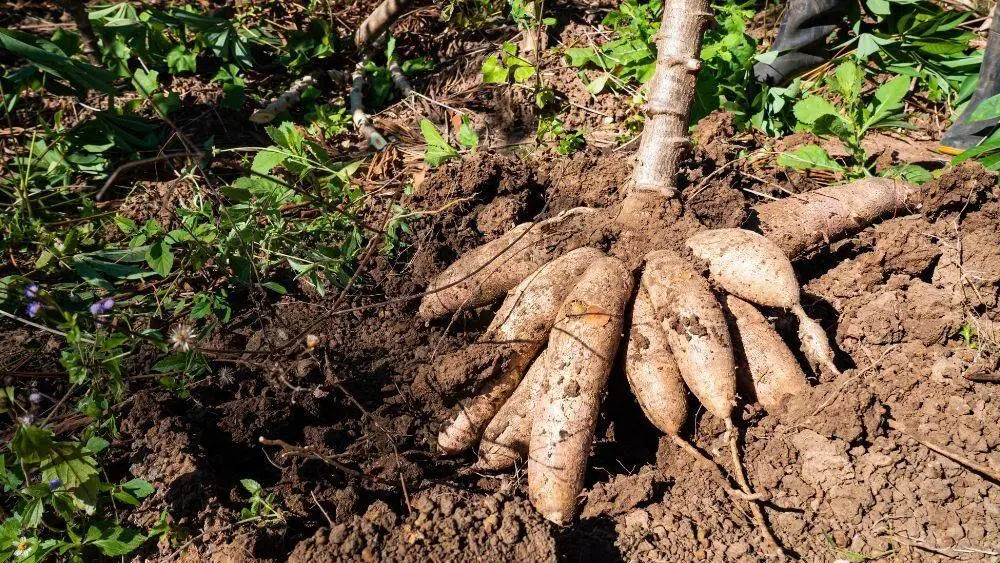
Cassava flour is winning the hearts of chefs, bakers, and food manufacturers across the globe. But have you ever wondered how this humble root turns into the soft, versatile flour you find in stores? Let’s take a closer look at its fascinating journey.
1. Harvesting Fresh Cassava Roots
The process begins with carefully selecting mature cassava plants, usually 8–12 months after planting. Farmers harvest the thick, starchy roots by hand to ensure minimal damage.
2. Cleaning and Peeling
Freshly harvested cassava roots are thoroughly washed to remove soil and debris. The thick brown skin is peeled away, revealing the white, starchy flesh inside.
3. Grating and Pressing
The cassava flesh is finely grated, then pressed to remove excess moisture. This step is essential for producing flour with a long shelf life.
4. Drying for Preservation
The grated cassava is dried in controlled conditions—either by sunlight in rural areas or with modern drying equipment for large-scale production. Proper drying prevents fermentation and preserves quality.
5. Milling into Fine Flour
Once fully dried, the cassava is milled into a fine, soft powder. The flour is then sieved to ensure uniform texture before packaging.
6. Packaging and Distribution
Premium cassava flour is packed in food-grade bags to maintain freshness. From here, it’s shipped to local markets and exported worldwide, ready to be transformed into breads, pastries, noodles, and more.
Why This Matters
Every step of the process is designed to preserve cassava’s natural benefits—gluten-free, allergen-friendly, and versatile—while meeting the highest food safety standards.
At Cassava Naturals, we take pride in working with local farmers and modern facilities to bring you the best cassava flour, from farm to table.


